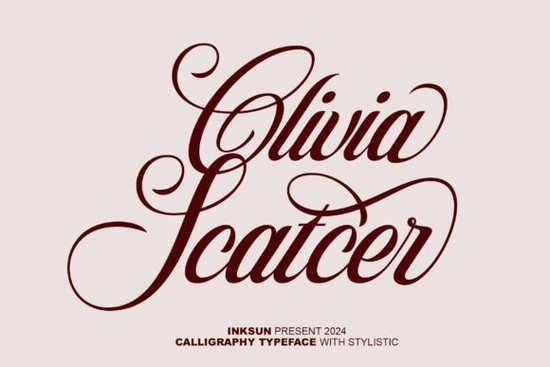
Finding the right typeface for a high-end project usually comes down to balancing readability with personality. The Olivia Scatcer font is a calligraphy typeface built specifically for this balance. It features distinct thick and thin strokes that give it an artisanal, handwritten feel without sacrificing the clean lines needed for professional design. Whether you are setting up a boutique shop identity, designing formal event stationery, or creating digital templates, this script style brings a sophisticated touch to the page.
What makes a calligraphy font work for luxury branding?
Luxury design relies heavily on visual contrast and intentional spacing. When you look at high-end packaging or upscale editorial headers, the typography usually features dramatic weight differences between the downstrokes and upstrokes. This specific typeface captures that classic pen-and-ink rhythm, making it feel deeply personal yet highly refined.
For small businesses and print-on-demand sellers, using a highly stylized script helps your products stand out on crowded marketplace shelves. It signals to the customer that the item inside is crafted with care. For crafters using vinyl cutting machines, the thicker downstrokes provide a solid base that prevents the material from tearing during the weeding process, while the thin upstrokes add delicate, intricate detail to the final decal or shirt design.
How do you pair elegant scripts with simpler typefaces?
A common mistake in typography is using too many decorative elements at once. If your main header uses a flowing script, your body text needs to be a very clean, minimal sans-serif or a traditional serif. This creates a visual hierarchy that guides the reader's eye and keeps the layout from feeling cluttered.
Sometimes you might want to compare different script styles to see which fits your brand best. You can view the full character set for this specific calligraphy typeface to check its alternate glyphs and swashes. If you need something with a slightly more relaxed, vintage vibe for a rustic brand, you might look at how this vintage-inspired script handles its letter connections.
On the other hand, if your project requires a bouncy, energetic feel rather than strict formality, checking out a more playful swing style can give you a good point of comparison. For completely different demographics, like educational materials or kids' products, you would pivot away from luxury calligraphy entirely and explore friendlier, school-themed lettering instead. Similarly, if you are designing for a baby shower or a soft aesthetic brand, softer, pastel-toned typography often works better than high-contrast luxury scripts.
Which projects benefit most from handwritten styles?
While this typeface is versatile, it truly shines in specific applications where a human touch is highly valued by the end consumer.
- Upscale Wedding Invitations: The romantic, sweeping curves are ideal for printing names and dates on formal cotton paper stationery.
- Boutique Packaging: Cosmetic boxes, candle labels, and artisan food wrappers look highly premium when stamped or foiled with a refined script.
- Editorial Headers: Magazine titles, blog graphics, and social media quotes gain a personal, magazine-quality aesthetic that draws the reader in.
- Apparel and Merch: Print-on-demand sellers can use it for minimalist tote bags, subtle embroidery designs on clothing, or elegant mug wraps.
What should you check before finalizing your typography?
Before you commit to a typeface for a major project, run through a quick practical checklist to ensure it meets your technical and aesthetic needs. Taking a few extra minutes to test the font will save you from formatting headaches later on.
- Check the character set: Ensure it includes all the special characters, numbers, and punctuation marks your specific project requires.
- Test the legibility: Print a sample at the actual size you intend to use. Some intricate swashes become muddy when scaled down for business cards or small product labels.
- Review the licensing: Confirm whether your license covers commercial use, especially if you are selling physical products or using the font in client work.
- Look for alternates and ligatures: Handwritten fonts look much more natural when you use alternate characters to avoid repeating the exact same letterforms in a single word.
- Check software compatibility: Make sure the font installs correctly and functions well in your preferred design software, whether that is Adobe Illustrator, Canva, or a cutting machine interface.
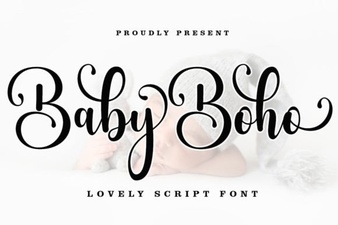 Crafting with Baby Boho Font Style & Projects
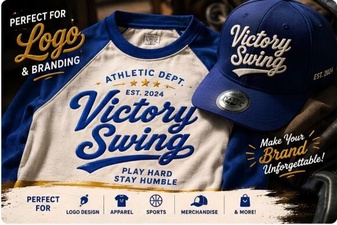 Victory Swing: Retro Design Font Inspiration & Uses
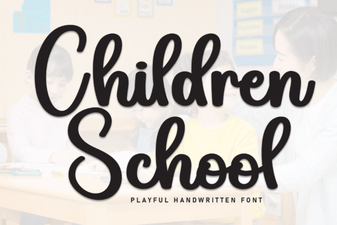 Crafting Friendly Fonts for Young Readers
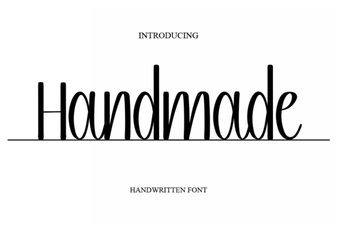 Craft Your Vision with Handmade Fonts
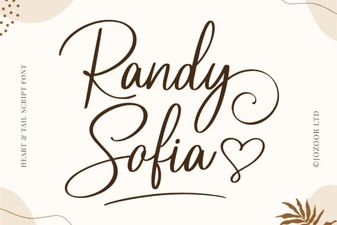 Randy Sofia Font: Creative Uses & Tips
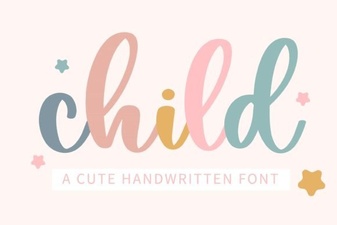 Choosing Child-Friendly Fonts for Creative Projects