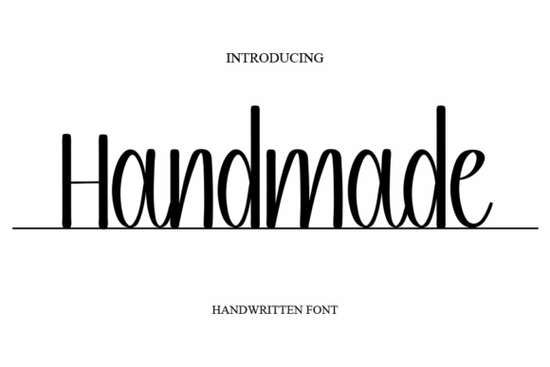
Finding the right typography can completely change the feel of a creative project. If you are working on greeting cards, craft cut files, or casual branding, the Handmade Font offers a playful and approachable style. It mimics natural handwriting, making it an excellent choice for designs that need a personal, human touch without looking messy or illegible.
What projects work best with a casual handwritten style?
Print-on-demand sellers and small business owners often struggle to find typography that feels authentic to their brand. Mass-produced designs can look stiff, but a friendly script adds warmth to t-shirts, ceramic mugs, and canvas tote bags. When you are browsing through this specific script font collection, you will notice how the slightly irregular letterforms give off a relaxed, everyday vibe. This makes it incredibly useful for motivational quotes, nursery wall art, and casual wedding stationery where a rigid serif or modern sans-serif just would not fit the emotional tone of the message.
Creative hobbyists also benefit greatly from this style. If you enjoy digital journaling, creating custom planner stickers, or designing personal holiday cards, a natural-looking script helps your work stand out. It bridges the gap between digital convenience and the charm of pen-and-paper writing.
How do you pair a playful script with other typefaces?
Pairing fonts is all about creating visual contrast and maintaining readability. Since your primary script is highly decorative and casual, you want to balance it with something simple and grounded. A clean, geometric sans-serif works beautifully for subheadings, pricing information, and body text.
If your design needs a secondary decorative element to create a specific mood, you might try a more structured outdoor-inspired script for a rugged, adventurous contrast. Alternatively, you could use a clean and balanced lettering option to keep the overall layout neat and organized. The golden rule is to let the playful script be the star of the show while the supporting fonts handle the functional, readable details. Never use two highly decorative scripts together, as they will compete for attention and make the design look cluttered.
Can this typography be used for digital design and presentations?
Absolutely. While handwritten styles are famous for physical crafts like scrapbooking and vinyl cutting, they translate wonderfully to digital screens. You can use them for social media graphics, YouTube thumbnails, blog post headers, or even presentation title slides.
If you ever feel the need for a slightly more scattered and whimsical alternative for a specific digital campaign, it is easy to swap things up to match the exact theme. However, for general digital use, keep the background simple and ensure there is plenty of negative space around the letters. This ensures the text remains easy to read on smaller mobile screens where intricate details might get lost. High contrast is especially important for social media ads where users scroll quickly.
What are the best practices for cutting this font with a vinyl machine?
Crafters using Cricut or Silhouette machines know that thin, delicate lines can sometimes tear during the weeding process. When working with a friendly, casual typeface, make sure to weld or attach the letters together in your design software before sending the file to cut. This creates one continuous cut line rather than individual overlapping letters, which prevents the vinyl from lifting or tearing.
If you find the strokes are just too thin for a specific material like glitter cardstock or flocked heat transfer vinyl, you might want to switch to a bolder, more sweeping script style that offers thicker lines for easier weeding. Always do a test cut on a small piece of your chosen material to check the blade depth and pressure settings. Remember to mirror your design if you are working with heat transfer vinyl for apparel.
Quick Checklist for Your Next Design Project
Before you finalize your current design, run through this quick checklist to ensure your typography looks professional and polished:
- Check the spacing: Adjust the kerning manually if certain letter combinations look too crowded or too far apart.
- Test the contrast: Ensure your text color stands out clearly against the background, especially for printed materials.
- Weld for cutting: If using a vinyl cutter, group and weld your text into a single layer to avoid internal cut lines.
- Limit your fonts: Stick to a maximum of two or three typefaces per design to keep the layout clean and visually appealing.
- Proofread carefully: Always double-check your spelling before cutting vinyl or sending a file to the printer, as fixing mistakes later can be costly.
 Crafting with Baby Boho Font Style & Projects
 Victory Swing: Retro Design Font Inspiration & Uses
 Crafting Friendly Fonts for Young Readers
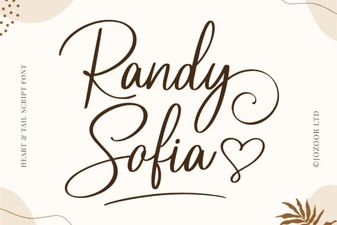 Randy Sofia Font: Creative Uses & Tips
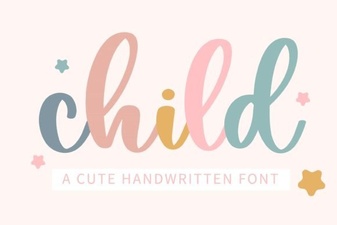 Choosing Child-Friendly Fonts for Creative Projects
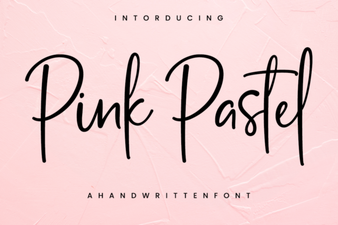 Pastel Font Designs for Elegant & Modern Projects