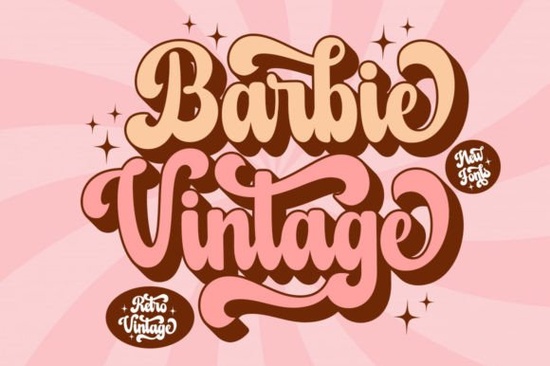
Finding the right typography for a retro-themed project can be tricky. You want something that feels authentic to the past but remains highly legible for modern audiences. The Barbie Vintage Font offers a playfully nostalgic look that works beautifully for display purposes. Whether you are designing a birthday invitation or creating merchandise for a small boutique, this style of lettering adds a distinct mid-century charm to your layout.
What makes a good retro display font for crafting?
When working on physical crafts like wood signs, acrylic decals, or custom tumblers, the thickness and flow of the letters matter immensely. A good retro typeface needs bold strokes that cut cleanly on a vinyl plotter or engrave deeply into wood without losing detail. Nostalgic fonts usually feature sweeping curves and balanced proportions, making them highly readable even from a distance.
If you prefer something with a more organic, hand-drawn feel, you might also explore crafty bloom lettering for your botanical projects. However, for a true 1950s or 1960s diner aesthetic, you need the smooth, confident lines that this specific typeface provides. It pairs wonderfully with simple sans-serif body text to keep the overall design clean and uncluttered.
How do you use nostalgic fonts in print-on-demand?
Print-on-demand sellers rely heavily on strong typography to make t-shirts, tote bags, and mugs stand out in crowded online marketplaces. A playful vintage style works exceptionally well for humorous quotes, retro travel posters, and nostalgic holiday apparel. Because the letters have a built-in personality, you often do not need to add complex graphics to make the design pop.
Summer-themed apparel often benefits from waves beach typography to capture a relaxed coastal vibe, but a mid-century script is perfect for retro vacation souvenirs. To keep your storefront diverse, you can easily mix this style with other themes. For instance, browsing through dusty vintage aesthetics can give your posters a grungier, worn-in edge, while farmstead rustic styles are a great alternative for country-living merchandise.
Does this font include 3D shadow effects?
It is important to note that the standard download for this product does not include the shadow file. The letters are provided as clean, flat vectors. If you want to achieve that classic, extruded 3D look often seen on vintage storefront signs or comic book covers, you will need to create the shadow manually in your vector software or purchase the specific shadow extrude add-on separately.
Creating your own shadow in Adobe Illustrator or Affinity Designer is quite simple. You can use the blend tool or offset path feature to generate a custom drop shadow that perfectly matches your brand colors. You can find more options similar to this in our playful retro typefaces gallery if you want to compare different weights and shadow styles.
Which projects work best with playful vintage typography?
This type of lettering shines in projects where the text is the main focal point. Here are a few practical applications for small businesses and hobbyists:
- Event Stationery: Wedding invitations, baby shower cards, and birthday party suites.
- Brand Identity: Logos for boutique cafes, vintage clothing stores, and artisan bakeries.
- Home Decor: Framed nursery quotes, custom welcome signs, and kitchen pantry labels.
- Digital Assets: Social media headers, blog graphics, and YouTube channel banners.
When designing for these projects, always check the licensing terms to ensure you have the right to use the typeface for commercial merchandise. Most platforms provide clear guidelines on personal versus commercial use, so review those details before finalizing your product listings.
How should you set up the font in your design software?
Before you start designing, follow this quick setup checklist to ensure your files are ready for production:
- Install the files: Unzip the downloaded folder and install both the OTF and TTF files to your operating system.
- Restart your software: Close and reopen programs like Cricut Design Space, Canva, or Adobe Illustrator so they recognize the new typeface.
- Test the kerning: Type out your phrase and check the spacing between letters. Adjust the kerning manually if certain character pairs look too close or too far apart.
- Convert to outlines: If you are sending the file to a professional printer or using a vinyl cutter, convert your text to outlines or paths to prevent missing font errors.
- Weld the script: If you are cutting the design on a Cricut or Silhouette machine, make sure to weld or unite the letters so the machine cuts it as one continuous piece rather than individual characters.
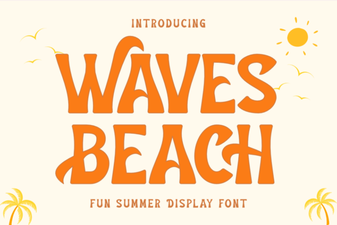 Waves Beach Font: Creative Designs & Typography Ideas
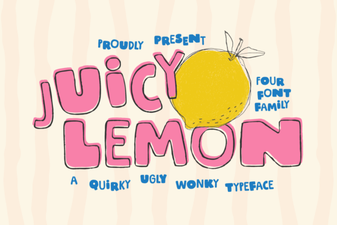 Juicy Lemon Font: Fresh Ideas for Bold Designs
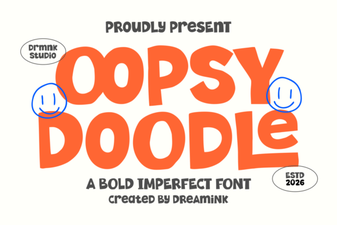 Design Your Oopsy Doodle Font Projects
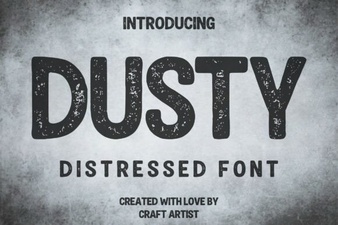 Dusty Font for Vintage Design Projects
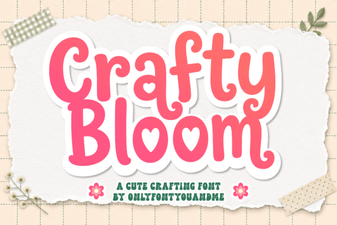 Crafty Bloom Font: Elegant Typography for Creative Projects
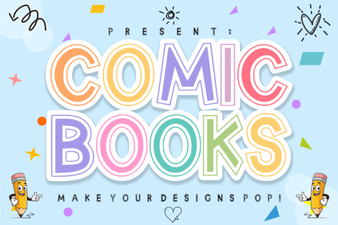 Crafting Titles with Comic Book Fonts