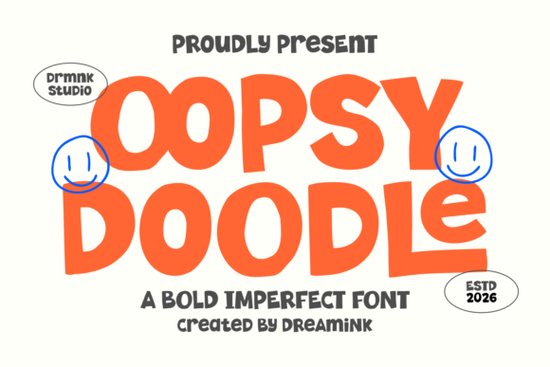
Finding the right typography for a playful or youth-focused project can be tricky. You want something that feels handmade and authentic without looking messy or unprofessional. The Oopsy Doodle Font solves this by offering chunky, high-impact letterforms with a deliberate cut-out aesthetic. Its uneven baselines and irregular strokes give off a spontaneous, creative energy that works perfectly for crafters, print-on-demand sellers, and small business owners looking to add a touch of artisanal freedom to their visual identity.
What kind of projects work best with a cut-out aesthetic?
This specific display typeface thrives in environments where strict corporate rules do not apply. Because the letters look like they were cut from paper or drawn with thick markers, they naturally suit youth-oriented branding and quirky product packaging. If you run a small business selling handmade stickers, vibrant enamel pins, or colorful apparel, this typography immediately tells your customers that your brand is fun, approachable, and full of personality.
When designing summer merchandise or bright product labels, pairing this chunky typeface with something citrusy and bright, like a juicy lemon style typeface, can create a highly energetic visual contrast. On the other hand, if you are working on handmade greeting cards, scrapbooking layouts, or wedding invitations with a quirky twist, you might want to mix it with a floral crafty bloom typeface. This combination beautifully balances the bold, heavy letters with delicate, organic botanical elements.
How do you pair irregular display typefaces with other fonts?
Working with highly stylized, imperfect letters requires a careful approach to font pairing. Because the baseline is uneven and the strokes vary in thickness, your secondary text needs to ground the overall design. If your main heading is doing a lot of visual heavy lifting, your body text or subheadings should be much more restrained, clean, and easy to read.
A muted, vintage dusty style typeface works exceptionally well to tone down the high energy and provide a readable, nostalgic backdrop for your main title. This is especially useful for poster designs or editorial layouts where you need to balance playful aesthetics with clear communication. Alternatively, if you are creating bold streetwear graphics or modern event flyers, combining the irregular letters with a clean simple stacked typeface helps maintain a structured, contemporary layout while letting the creative doodles stand out.
Is this typeface suitable for print-on-demand and physical crafting?
For crafters using vinyl cutters like Cricut or Silhouette, the physical structure of the letters matters just as much as how they look on a digital screen. The thick, chunky nature of these letterforms makes them highly suitable for cutting and weeding. Thin, wispy fonts often tear during the weeding process, but these bold shapes hold together beautifully when applied to canvas tote bags, ceramic coffee mugs, or cotton t-shirts.
While highly irregular fonts are fantastic for modern apparel and quirky gifts, they might not fit every single niche in your online store. If you are pivoting to rustic home decor, wooden signs, or traditional kitchenware, you might prefer a classic farmstead style typeface for a more weathered, traditional look. However, for anything targeting a younger demographic or aiming for a polished, creative fun vibe, the irregular strokes cut cleanly and look fantastic on physical products.
What should you check before finalizing your design?
Before you send your file to the printer or cut your final vinyl decal, run through a quick quality control process to ensure your typography looks its best in the real world.
- Check the kerning: Even though the font is meant to look irregular and spontaneous, make sure no two letters are awkwardly overlapping in a way that makes them unreadable to your audience.
- Test the weeding process: If you are cutting heat transfer vinyl, do a small test cut on a scrap piece to ensure the inner loops of letters are large enough to weed easily without tearing.
- Verify the contrast: Place your bold, chunky text against your chosen background color to ensure it remains highly visible and legible from a distance, especially on apparel.
- Balance the layout: Step back and look at the overall composition. Ensure the playful display text is balanced with enough negative space so the final design does not feel cluttered or overwhelming.
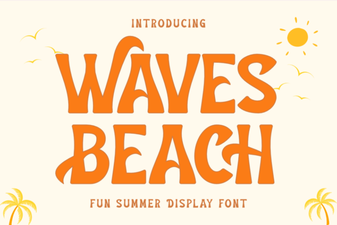 Waves Beach Font: Creative Designs & Typography Ideas
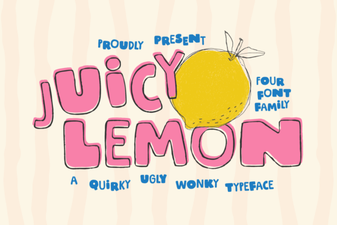 Juicy Lemon Font: Fresh Ideas for Bold Designs
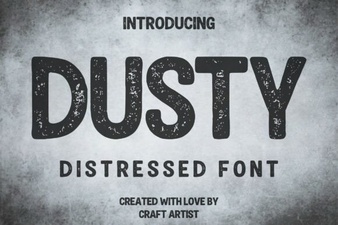 Dusty Font for Vintage Design Projects
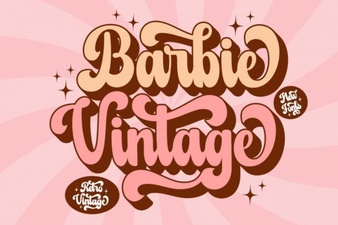 Vintage Barbie Fonts for Modern Designs
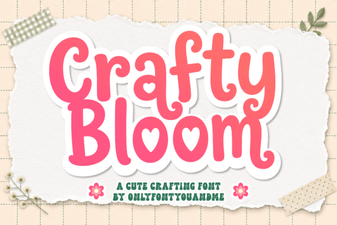 Crafty Bloom Font: Elegant Typography for Creative Projects
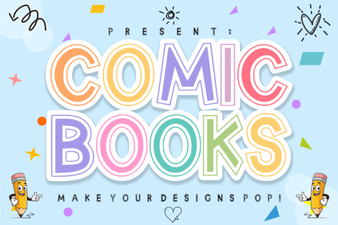 Crafting Titles with Comic Book Fonts