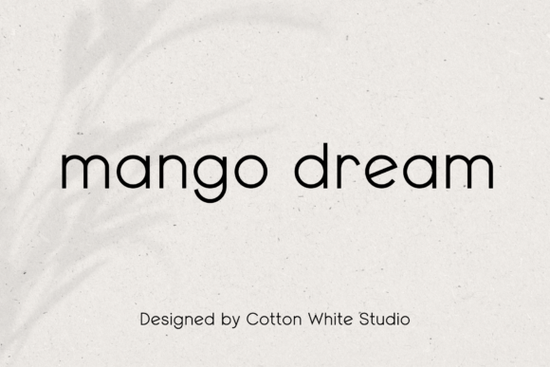
Finding the right typeface for a clean, modern project often means looking for something simple but not boring. The Mango Dream Font is a modern sans-serif that relies on round, minimalistic shapes to get the job done. Instead of heavy decorative elements, it uses a contemporary design to give your work a professional touch. Whether you are setting up a new website, designing branding materials for a small business, or planning a marketing campaign, having a reliable, clean typeface in your toolkit saves a lot of time.
What makes a good minimalistic sans-serif for branding?
When small businesses build their visual identity, readability is usually the top priority. A rounded sans-serif offers a friendly yet professional appearance, making it highly approachable for customers. The smooth curves and clean lines ensure that your logo, business cards, and social media graphics remain legible even at smaller sizes.
Because this typeface includes multilingual support, it is incredibly useful for brands that operate internationally. You do not have to worry about missing characters or awkward fallback fonts when translating your packaging or website copy. If you are exploring other options in the same family, browsing through different minimalist sans-serif styles can help you compare weights and see what fits your specific brand voice best.
How does this typeface work for print-on-demand and crafting?
Print-on-demand sellers and crafters need fonts that scale well without losing their crisp edges. When you are designing t-shirts, tote bags, or mugs, intricate serifs or thin hairlines can sometimes blur or break during the printing process. A bold, rounded sans-serif avoids this problem entirely. The uniform stroke width ensures that your design looks just as good on a large canvas tote as it does on a small ceramic mug.
- Apparel design: The thick, uniform strokes print cleanly on both dark and light fabrics.
- Paper crafting: If you are using a cutting machine for vinyl decals or cardstock, the smooth curves mean fewer snagged edges and cleaner weeding.
- Stickers and labels: The minimalistic shape leaves plenty of negative space, keeping your product labels looking uncluttered.
Taking the time to test your designs on different materials will save you from production headaches later. If you are using heat transfer vinyl, the smooth edges of this typeface will press flat without lifting at the corners.
For crafters who prefer a slightly more relaxed, bohemian vibe in their projects, you might also want to look at how relaxed bohemian typefaces compare to strict minimalism, just to ensure you are matching the exact mood of your handmade goods.
Can I use rounded sans-serifs for website headers?
Yes, rounded typefaces are excellent for web headers, provided you manage the contrast and spacing correctly. On screens, geometric and rounded shapes tend to feel very modern and welcoming. They work particularly well for tech startups, lifestyle blogs, and creative agencies that want to appear approachable to their visitors. The friendly nature of the letterforms helps reduce the visual friction that users sometimes experience when reading heavy, corporate-style typography.
When using this font for web design, pay attention to your line height and letter spacing. Because the characters have a rounder footprint, they sometimes need a bit more breathing room between lines to maintain perfect readability on mobile devices. Pairing it with a highly legible, neutral body font will create a nice visual hierarchy without overwhelming the reader. You want your headers to stand out while keeping the main text comfortable for long reading sessions.
What should you check before installing a new typeface?
Before you commit to using a new font across all your project files, it helps to run through a quick practical checklist. This ensures the file behaves exactly how you expect it to in your design software.
Quick setup checklist:
- Test the character set: Type out a pangram and special characters to verify the multilingual support covers your target languages.
- Check the licensing: Confirm whether your license covers commercial use, especially if you are selling physical products or using it on a client's website.
- Review the kerning: Look closely at tricky letter combinations like AV, To, or Ly to see if the spacing needs manual adjustment in your design program.
- Print a physical proof: If you are designing for print, always print a test page at the actual size to check how the rounded edges hold up on paper.
Pro tip: Keep your font folders organized by style and weight. Creating a dedicated folder for your go-to minimalistic typefaces will speed up your workflow the next time you start a fresh branding or crafting project.
Download Now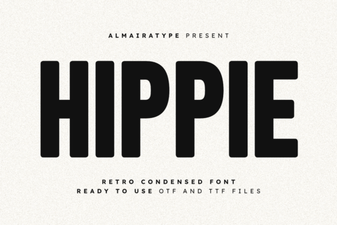 Hippie Fonts for Creative Projects & Groovy Designs
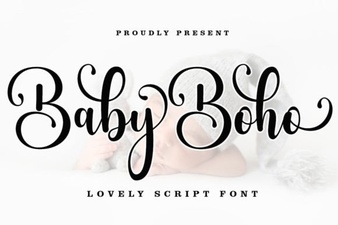 Crafting with Baby Boho Font Style & Projects
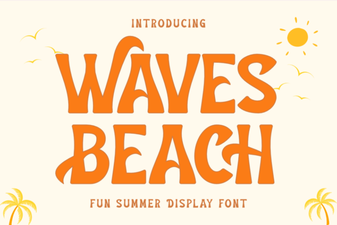 Waves Beach Font: Creative Designs & Typography Ideas
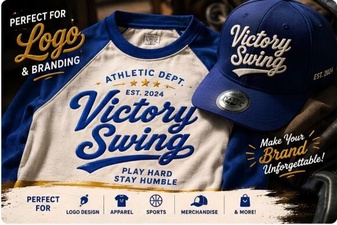 Victory Swing: Retro Design Font Inspiration & Uses
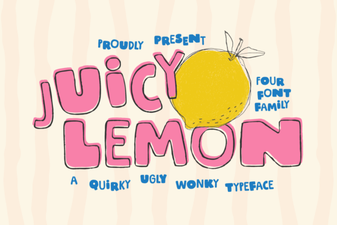 Juicy Lemon Font: Fresh Ideas for Bold Designs
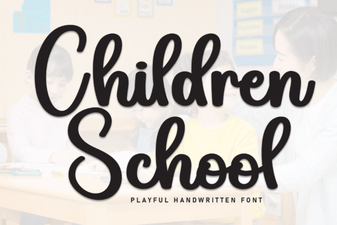 Crafting Friendly Fonts for Young Readers