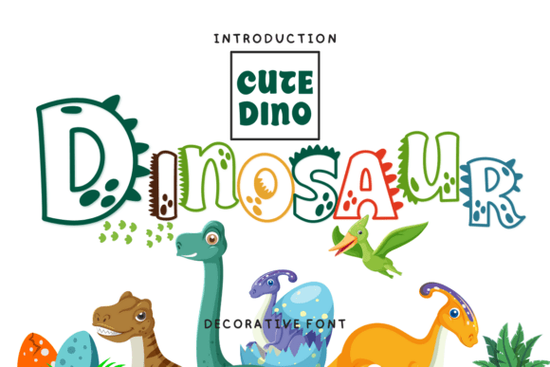
Finding the right typography for kids' products, playful branding, or whimsical crafts can sometimes be a frustrating process. You want something that feels fun, approachable, and energetic without looking messy or unprofessional. The Dinosaur Font offers a highly decorative, illustrative style that works perfectly for these specific creative niches. Whether you are making custom birthday invitations, designing graphic tees for a print-on-demand shop, or simply journaling your daily thoughts, this typeface brings a distinct, hand-drawn charm to your canvas.
What projects work best with this playful typeface?
Because of its bouncy, detailed letterforms, this style shines in short, impactful text. Print-on-demand sellers often use it for catchy slogans on toddler t-shirts, colorful tote bags, or nursery wall art. Crafters will find it excellent for electronic cutting machines when making wooden signs, acrylic cake toppers, or vinyl decals for water bottles.
If you are looking for more options to build a cohesive brand identity, browsing through other playful and prehistoric typography choices can give you a broader selection for your next craft project or small business launch.
Here are a few ideal uses for this specific lettering style:
- Greeting cards: Perfect for "Happy Birthday", "Welcome Baby", or "Congratulations" headers.
- Apparel: Bold, short phrases and fun character names on kids' clothing.
- Stationery: Custom notebook covers, planner dividers, and sticky notes.
- Drinkware: Fun, single-word names or short, uplifting quotes on ceramic mugs.
How do you pair decorative letters with other typefaces?
Mixing a highly stylized display font with other text requires a bit of visual balance. Since the main letters are thick and full of unique character, you should pair them with clean, simple sans-serif fonts for the supporting text.
For example, if your main heading uses the decorative style, keep your subheadings and body copy in a neutral, highly legible font like Arial, Montserrat, or Helvetica. This contrast ensures your overall design remains easy to read while keeping the fun vibe intact. Additionally, consider using bright, saturated colors for the decorative text while keeping the supporting sans-serif text in a darker, neutral shade to guide the viewer's eye naturally. Avoid pairing it with other script or heavily decorative fonts, as the competing details will make the final layout look cluttered and confusing.
Is this typeface readable for long paragraphs?
No, and it is not meant to be. Decorative and display typefaces are specifically designed for headlines, logos, and short phrases. If you try to use it for a full page of text or a long product description, the reader will struggle to process the information, and the intricate details of the letters will blur together into an illegible block.
Stick to using it strictly for:
- Titles and main headings
- Short quotes (preferably under ten words)
- Names, monograms, and initials
- Logo text and small business brand names
Which software and cutting machines support this style?
Most modern design programs handle custom typography files without any issues. If you are a digital designer, you can install the font files directly into Adobe Illustrator, Photoshop, or Canva to start creating social media graphics and web banners.
For physical crafters, the process is just as straightforward. You can type out your words in basic text software, convert the text to outlines or paths, and then import the vector files into your cutting machine software. Always remember to check the specific commercial licensing terms included with your download if you plan to sell physical products featuring the lettering.
- Cricut Design Space: Upload the SVG cut files for clean weeding and precise vinyl application.
- Silhouette Studio: Use the traced outlines for accurate blade cutting on cardstock or heat transfer vinyl.
- Procreate: Import the font file to letter directly on your tablet for digital illustration.
What should you check before finalizing your design?
Before you send your project to the professional printer, upload it to your website, or start your electronic cutting machine, run through this quick practical checklist to ensure the best possible results:
- Check the kerning: Adjust the spacing between letters manually if the decorative swashes or thick stems overlap awkwardly.
- Test the cut: If using a vinyl cutter, do a small test cut on scrap material to ensure the intricate parts of the letters do not tear during weeding.
- Verify the contrast: Make sure the font color stands out clearly against your background, especially if you are placing it over busy patterns or photographs.
- Keep it short: Double-check that your text is brief enough to remain completely legible at a quick glance.
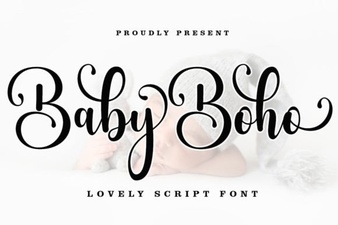 Crafting with Baby Boho Font Style & Projects
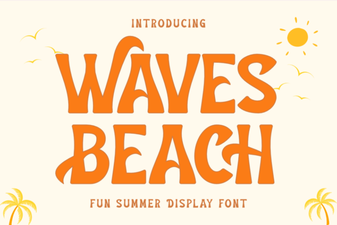 Waves Beach Font: Creative Designs & Typography Ideas
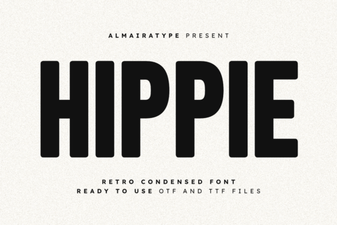 Hippie Fonts for Creative Projects & Groovy Designs
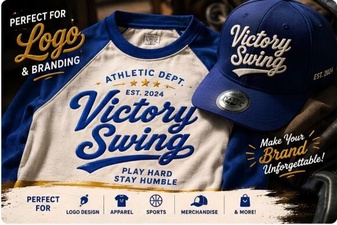 Victory Swing: Retro Design Font Inspiration & Uses
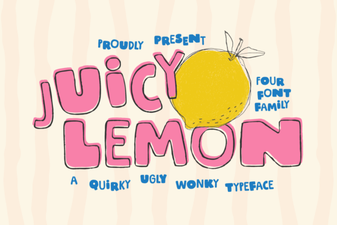 Juicy Lemon Font: Fresh Ideas for Bold Designs
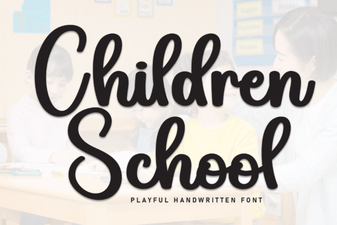 Crafting Friendly Fonts for Young Readers